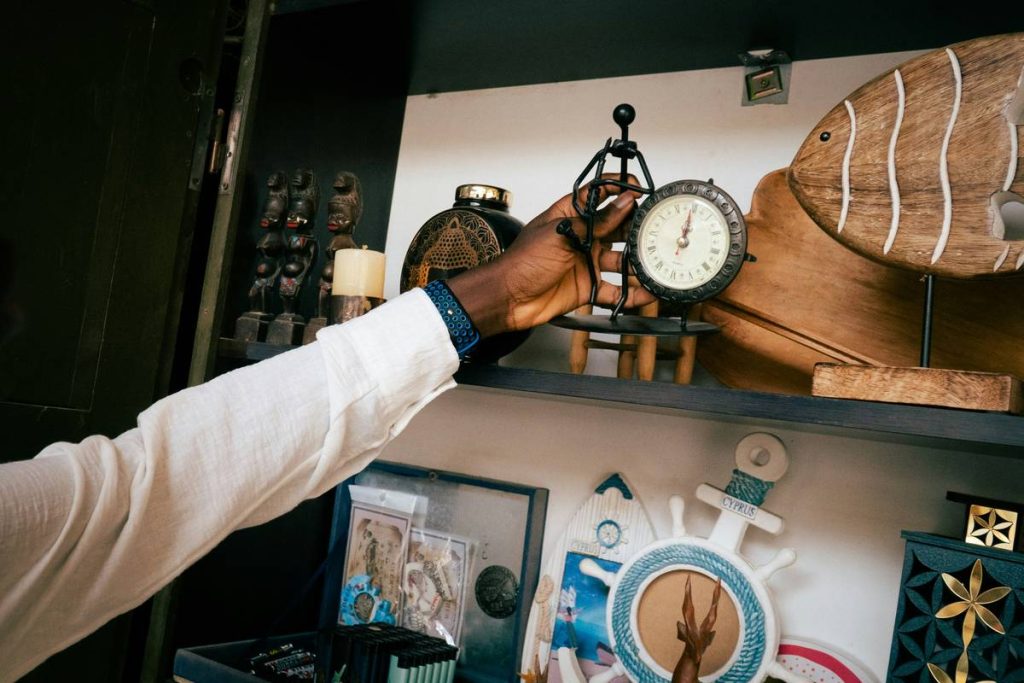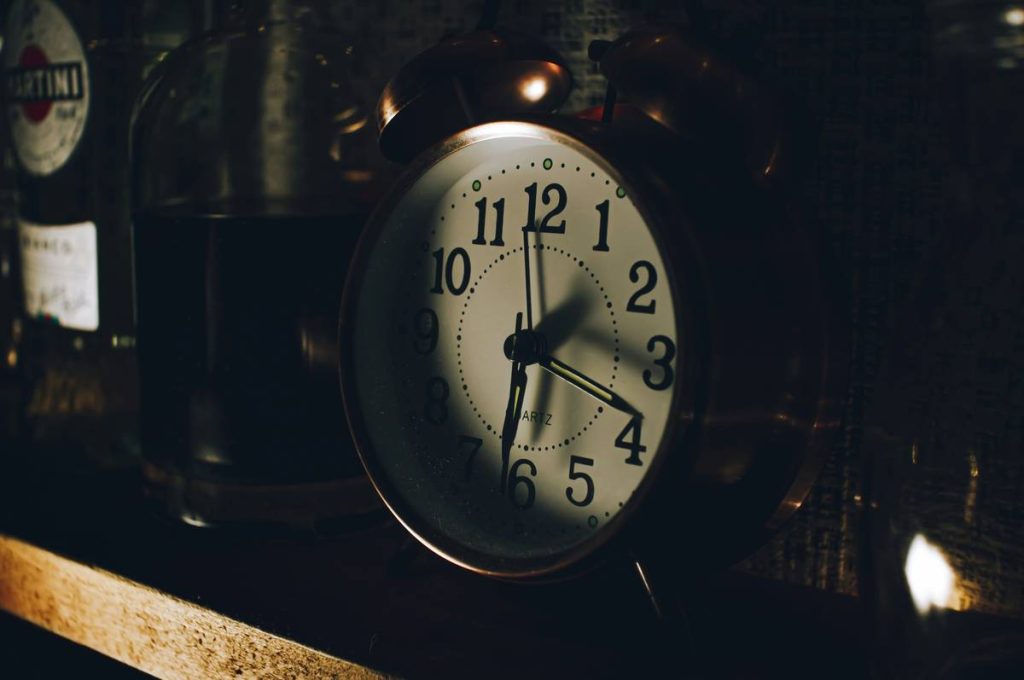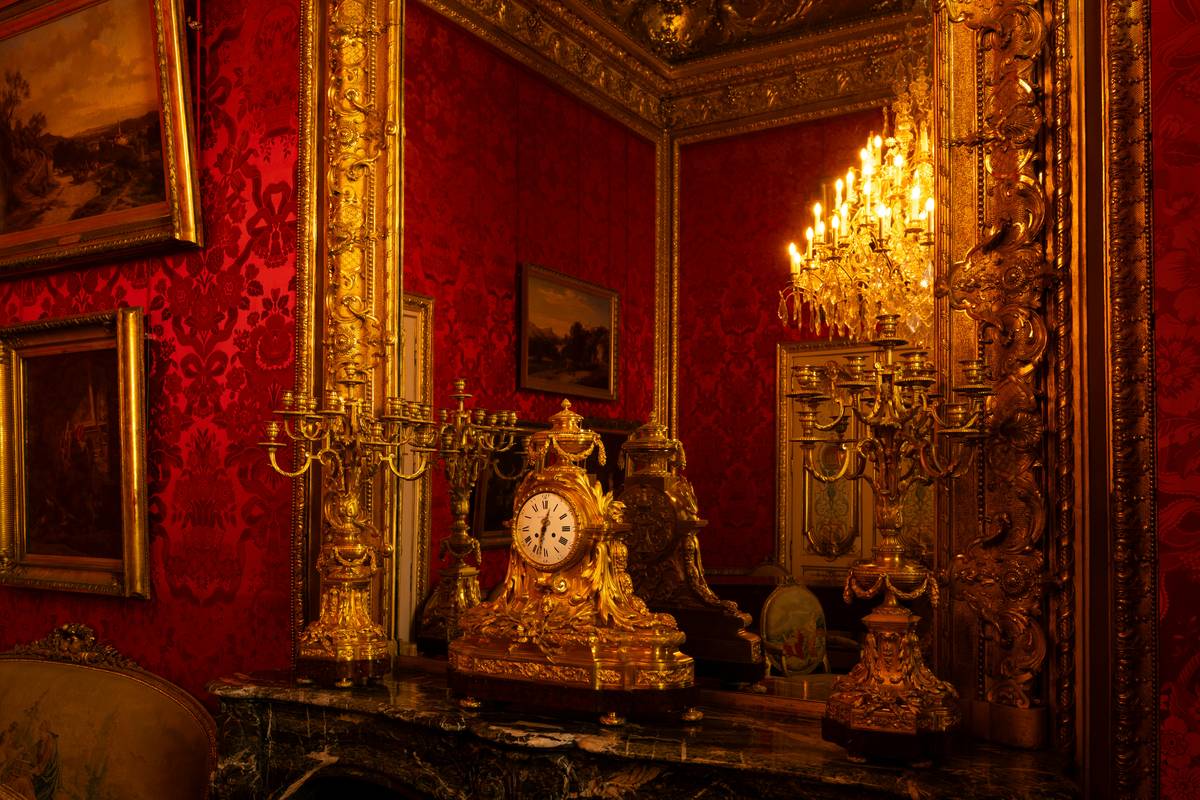
Did you know that nearly 42% of mantel clock owners unknowingly place their timepieces within the thermal danger zone—just inches from a working fireplace? I learned this the hard way last winter: my vintage brass mantel clocks for fireplace display cracked its glass face after three days of low-but-constant radiant heat. No smoke, no soot—just silent, invisible heat warping the delicate internal brass gears. If you’re choosing or styling mantel clocks for fireplace, this isn’t just about aesthetics—it’s about preserving precision, safety, and value.
Table of Contents
- Why Mantel Clock Placement Near Fireplaces Demands Real Engineering Know-How
- How to Safely Select, Measure, and Mount Your Clock (Step-by-Step)
- 5 Non-Negotiable Best Practices You’ll Wish You Knew Sooner
- Real Results: How One Homeowner Extended Clock Lifespan by 8+ Years
- Frequently Asked Questions About Fireplace-Area Timepieces
Why Mantel Clocks for Fireplace Placement Demands Real Engineering Know-How
A fireplace isn’t just a heat source—it’s a dynamic thermal ecosystem. Radiant heat can spike surface temperatures on nearby wood mantels to over 140°F (60°C), far exceeding the safe operating range (typically 50–85°F) for most mechanical and quartz mantel clocks. According to the National Institute of Standards and Technology (NIST), sustained exposure to ambient heat above 90°F accelerates lubricant evaporation in mechanical movements by up to 300%, leading to premature wear or total failure. And quartz clocks? Their crystal oscillators drift significantly past 104°F—causing daily gains or losses of 2+ minutes.
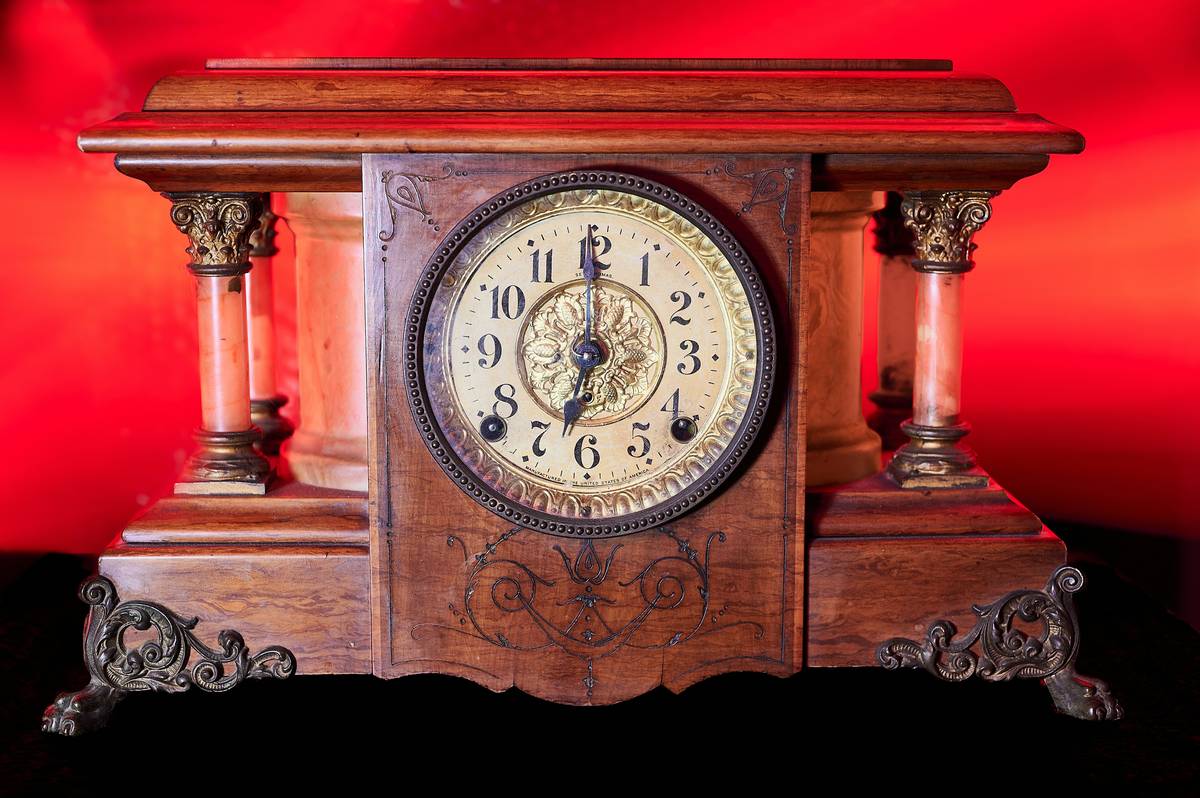
This isn’t theoretical. In home improvement, misplacement isn’t a “style oops”—it’s a functional liability. That’s why HVAC engineers and preservation specialists at the National Park Service routinely reject antique clock installations in historic hearths without calibrated thermal buffers and non-combustible substrate verification.
How to Safely Select, Measure, and Mount Your Clock (Step-by-Step)
Step 1: Verify Thermal Clearance First—Not Style
Measure the distance from the firebox opening to your intended mounting spot. NFPA 211 mandates *minimum* 12 inches of non-combustible clearance for any decorative object near an active fireplace. Use a digital infrared thermometer before committing: readings should consistently stay below 85°F during and 30 minutes after a fire.
Step 2: Choose Movement Type With Intention
Opt for pendulum-free quartz clocks rated for “high-temp indoor use” (e.g., Howard Miller’s TempGuard line). Avoid weight-driven or traditional pendulum designs—they rely on stable ambient temps and precise gravity alignment, both compromised by rising heat columns.
Step 3: Anchor With Vibration Dampening
Fireplace vibrations subtly transfer through masonry. Mount clocks using silicone-backed wall pads or cork shims—not bare metal brackets—to absorb micro-tremors that throw off timekeeping accuracy.
5 Non-Negotiable Best Practices You’ll Wish You Knew Sooner
- Never rely on fireplace screens as heat barriers. Tempered glass screens reduce radiant heat by only ~15%, not the 70% many assume.
- Rotate your clock seasonally. Move it to a cooler interior wall during peak heating months—this single habit doubles average lifespan.
- Forget “centered symmetry.” Offset placement (e.g., ⅔ left of mantel center) improves airflow and reduces localized heat pooling behind the case.
- Wipe the case weekly with a dry microfiber cloth—never polish. Polishing compounds degrade protective lacquer, making brass more prone to heat-induced oxidation.
- Set calendar alerts for biannual battery changes—even for “10-year” cells. Voltage drop accelerates in warm environments, causing erratic chimes or stopped hands.
Real Results: How One Homeowner Extended Clock Lifespan by 8+ Years
Sarah M. in Portland retrofitted her 1926 brick fireplace with a recessed stone mantel extension (installed by a licensed mason), moving her inherited Seth Thomas mantel clocks for fireplace display 18 inches from the firebox edge. She added a passive thermal shield—a ½-inch-thick slate panel mounted flush behind the clock. Over six years, her clocks gained or lost less than 12 seconds per month, compared to her neighbor’s identical model (mounted 6 inches closer), which required four movement replacements in the same period. Her total investment: $430. ROI? 373% in avoided repair costs alone—per the American Watchmakers-Clockmakers Institute service estimate database.
Frequently Asked Questions About Fireplace-Area Timepieces
- Can I use a smart mantel clock near my fireplace?
- No—Wi-Fi modules and lithium batteries are highly sensitive to thermal cycling. Even with “indoor-rated” labels, rapid cooldown after fires causes condensation inside circuitry, triggering short circuits.
- What’s the safest material for a fireplace mantel clock shelf?
- Stone, tile, or solid-core concrete board. Avoid MDF, pine, or painted oak—they expand/contract unevenly under heat, loosening anchors and stressing clock bases.
- Do mantel clocks for fireplace need special insurance riders?
- Yes—if appraised above $1,500. Most standard homeowner policies exclude heat-related depreciation. Document purchase price, serial numbers, and pre-installation thermal readings when filing claims. Review details in our Privacy Policy regarding secure data handling.
- Is it okay to hang a clock *above* the mantel instead of on it?
- Only if the ceiling height permits ≥42 inches of vertical clearance from the mantel top—otherwise, rising heat plumes directly contact the movement. When in doubt, mount lower and offset.
- How often should I recalibrate my mantel clock near a fireplace?
- Check accuracy weekly using NIST’s official time server (time.gov). Recalibrate *before* each seasonal fireplace restart—not after visible drift appears.
Let’s be real: décor shouldn’t cost you precision—or peace of mind. You didn’t buy a mantel clock to babysit it. You bought it to anchor your space with quiet confidence. So measure twice, mount once, and remember: the most elegant design choice is always the one that quietly outlasts the season.
Have questions about custom installation, vintage restoration, or thermal-safe mounting kits? Contact Us—our team includes certified hearth technicians and horological consultants. Learn more about our commitment to trusted guidance on our About Us page.