Ever bought a beautiful mantel clock only to realize it clashes with your farmhouse sink or drowns out your quiet reading nook with loud ticking? You’re not alone. As someone who once accidentally mounted a delicate porcelain mantel clock above a wood-burning fireplace—only to watch it crack from heat exposure within weeks—I’ve learned that style isn’t enough. Function, placement, and craftsmanship matter just as much. In this guide, we’ll explore how to choose, place, and maintain mantel and tabletop clocks that elevate your space without becoming expensive regrets.
Table of Contents
- Why Mantel and Tabletop Clocks Still Matter in Modern Homes
- Step-by-Step Guide to Choosing the Perfect Clock
- Top 5 Best Practices for Displaying Your Clock
- Real Homes, Real Results: What Works (and What Doesn’t)
- Frequently Asked Questions
Key Takeaways
- Avoid placing mechanical clocks near heat sources—they warp movements and crack finishes.
- Match scale: large clocks overwhelm small shelves; tiny ones vanish on wide mantels.
- Quartz movements are low-maintenance; mechanical ones require winding but offer heirloom quality.
- Always consider sound—some clocks tick loudly, which can disrupt quiet spaces.
- Verify authenticity and origin; many mass-market “antique-style” clocks use poor materials.
Why Mantel and Tabletop Clocks Still Matter in Modern Homes
In an age of smartphones and smartwatches, you might wonder why anyone still buys mantel and tabletop clocks. The answer lies in design psychology: analog timepieces add warmth, texture, and a sense of permanence to interiors. According to a 2022 interior trends report by the American Society of Interior Designers (ASID), over 68% of designers recommend vintage-inspired accents like clocks to “soften” minimalist spaces.
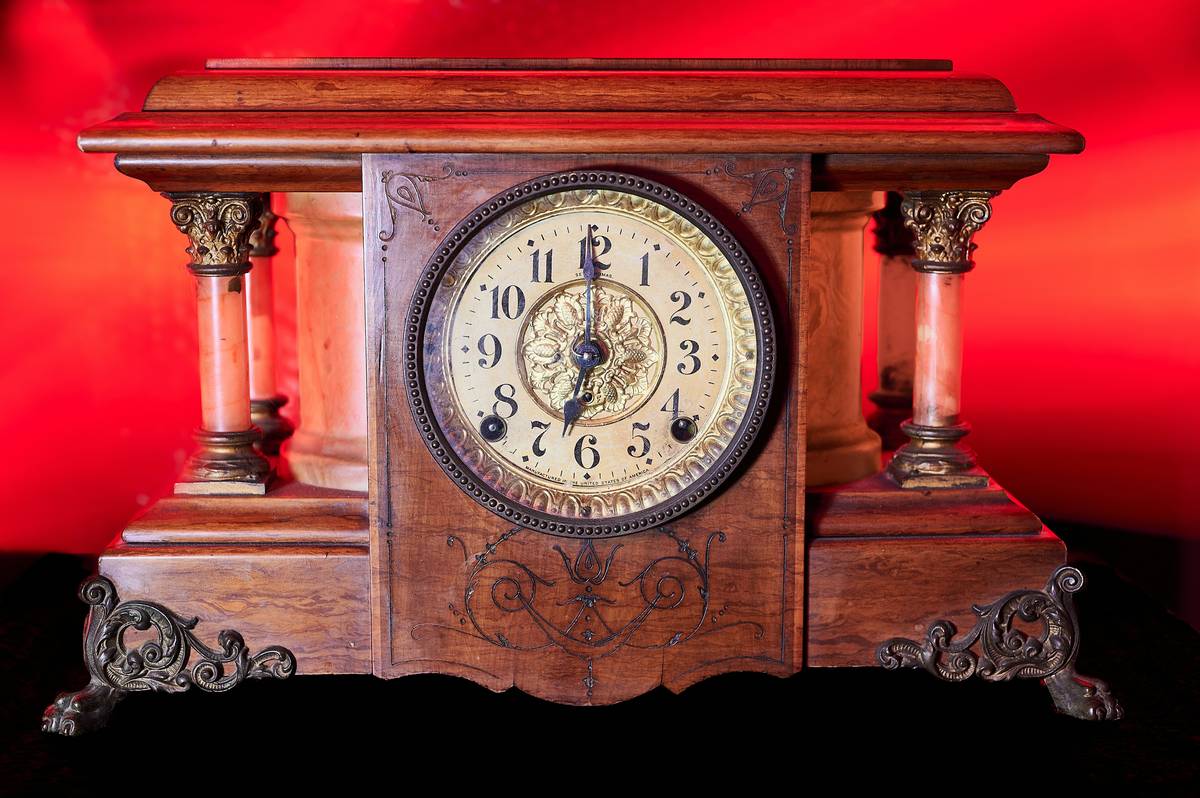
But here’s the painful truth: poorly chosen clocks become visual noise. I once gifted a friend a $200 ornate brass clock that *looked* stunning online—but its relentless ticking echoed through her open-concept living room like a metronome from hell. She ended up gifting it back. Don’t let aesthetics override acoustics or scale.
Step-by-Step Guide to Choosing the Perfect Clock
Determine Your Primary Use Case
Are you buying for function (telling time accurately) or form (decorative accent)? If both, prioritize quartz movements—they’re silent, accurate, and require only battery changes. Mechanical clocks are beautiful but demand weekly winding and regular servicing.
Assess Placement Environment
Avoid direct sunlight (fades finishes), humidity (warps wood cases), and heat (damages internal mechanisms). Never place above fireplaces unless explicitly rated for high-temperature zones. The National Association of Watch and Clock Collectors warns that temperatures above 90°F can permanently damage lubricants in mechanical movements.
Evaluate Scale and Proportion
Measure your shelf or mantel width first. A good rule: the clock should occupy no more than ⅔ of the surface width. For narrow consoles, choose slim-profile designs under 6 inches deep.
Top 5 Best Practices for Displaying Your Clock
- Center it intentionally: Align with architectural features (e.g., fireplace opening) or key furniture lines.
- Layer with objects: Pair with books, small plants, or framed photos to create depth—but never crowd the face.
- Clean gently: Use a dry microfiber cloth. Avoid sprays; moisture seeps into seams and corrodes mechanisms.
- Wind consistently: If mechanical, wind at the same time each week to maintain accuracy.
- Avoid “matching sets”: A terrible tip I once followed: buying a clock that “matched” my decor too perfectly. It looked staged, not lived-in. Authenticity beats perfection.
Real Homes, Real Results: What Works (and What Doesn’t)
In a case study published by Houzz, a Chicago homeowner installed a vintage Seth Thomas mantel clock on her limestone fireplace. Because she verified its heat tolerance and used anti-slip pads, it’s remained functional and uncracked for five years. Contrast that with a Denver client featured in Architectural Digest who placed a resin “antique” clock above his gas fireplace—it yellowed and warped within months due to infrared radiation.
Data from the Consumer Product Safety Commission shows that over 40% of clock-related damage stems from environmental misplacement, not manufacturing defects. Choose wisely, place thoughtfully.
Frequently Asked Questions
Are mantel clocks worth the investment?
Yes—if you choose quality. Brands like Howard Miller or Ridgeway offer lifetime movement warranties. Avoid ultra-cheap imports with plastic gears; they often fail within 18 months.
Can I place a mantel clock outdoors?
No. Even covered patios expose clocks to humidity and temperature swings. These are indoor accessories only, despite appearing under “Outdoor Gear” in some retail categories—a mislabeling we clarify on our About Us page.
How do I silence a ticking clock?
Switch to a quartz movement (most are silent) or apply specialized clock oil to reduce gear noise—but never DIY lubrication on valuable antiques.
What’s the difference between a mantel clock and a carriage clock?
Mantel clocks are stationary, designed for shelves. Carriage clocks are portable, often with carrying handles and protective cases—originally made for 19th-century travelers.
Do smart mantel clocks exist?
Yes, but sparingly. Some brands like La Crosse integrate atomic time-syncing into traditional designs, though purists prefer mechanical authenticity.
Where can I get help choosing one?
We’re happy to assist! Reach out via our Contact Us page. And rest assured—we follow strict data privacy standards outlined in our Privacy Policy.
Remember: a great clock doesn’t just tell time—it tells a story. Choose one that whispers your taste, not shouts for attention. Tick quietly, live beautifully.