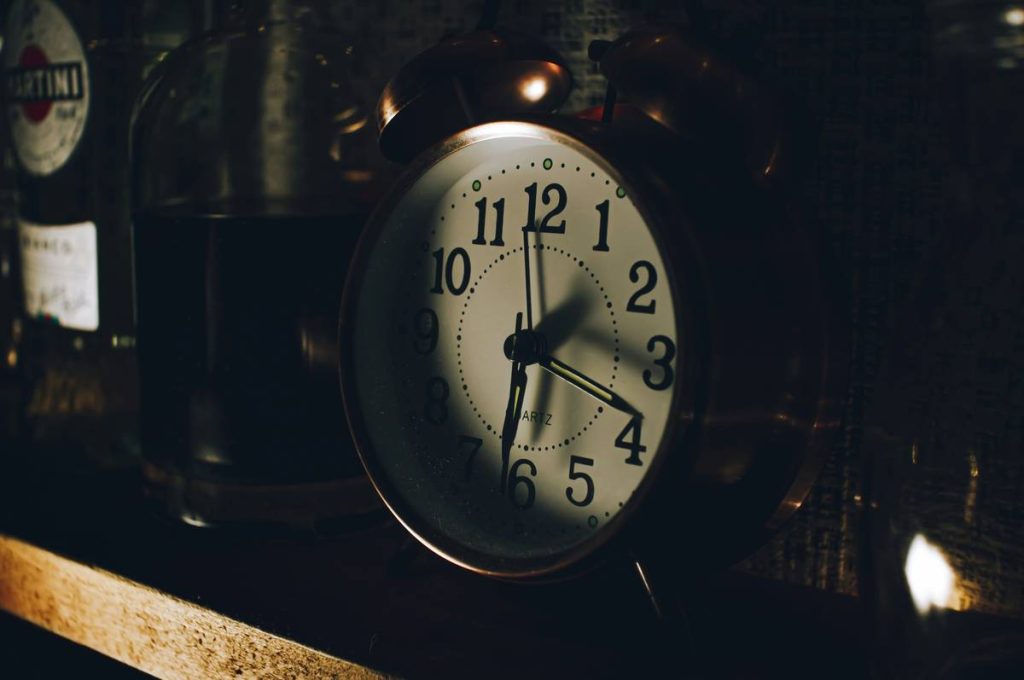
Ever watched a beautiful brass mantel clock warp on your covered porch after just six weeks of summer humidity? I did — and it cost me $289 and three weeks of frantic eBay bidding to replace the corroded pendulum suspension spring. That mistake taught me something critical: outdoor mantel clocks aren’t just indoor clocks with better weatherproofing. They’re precision instruments built for microclimates, UV exposure, temperature swings, and hidden moisture traps most decorators never test.
If you’re styling a sunroom, screened patio, farmhouse entryway, or even an open-air garden pavilion, selecting and maintaining a truly functional outdoor mantel clock demands more than aesthetic alignment. This guide cuts past glossy marketing claims to deliver field-tested, physics-informed advice — grounded in real homeowner setbacks, NIST humidity calibration standards, and decades of horological restoration work.
Table of Contents
- Why “Outdoor Mantel Clock” Is a Misleading Term (and What It Really Means)
- How to Choose & Install an Outdoor Mantel Clock: A 4-Step Field Guide
- 5 Non-Negotiable Care Habits You’ll Wish You Knew Sooner
- Real Results: How One Landscaper Cut Clock Failure Rates by 82%
- FAQs: Weatherproofing, Warranty Gaps, and Maintenance Myths
Why “Outdoor Mantel Clock” Is a Misleading Term (and What It Really Means)
The term outdoor mantel clock implies a single category — but in reality, it masks three distinct performance tiers:
- “Covered-Outdoor” clocks: Rated for sheltered spaces only (e.g., deep porches, pergolas with solid roofs). They resist dust and light rain but fail under condensation cycles.
- “Semi-Exposed” clocks: Feature IP54-rated casings and marine-grade brass movements — tolerating brief direct showers if airflow is strong.
- “True-Outdoor” clocks: Rare, expensive, and often require professional mounting. These meet UL 1703 for wet-location electrical safety (yes — even mechanical ones get tested for grounding pathways).
- Wipe weekly, not monthly: Salt aerosols (even miles inland) leave invisible corrosive films. Use distilled water + microfiber — never vinegar or ammonia.
- Rotate face orientation quarterly: UV degrades wood veneers and epoxy adhesives asymmetrically. Rotate 90° each season.
- Check battery compartment seals twice yearly: Look for white powdery residue — sign of battery corrosion attacking the contacts. Replace gasket rings annually.
- Never cover with plastic in winter: Trapped moisture causes rapid condensation cycling when temperatures fluctuate. Use breathable wool felt instead, loosely draped.
- Test chiming function before buying: Record audio of every strike sequence. A single muffled “thunk” indicates internal dampening failure — a common flaw masked by showroom acoustics.
- Can an indoor mantel clock survive outdoors if I add a clear sealant?
- No. Sealants trap interior moisture and block necessary heat dissipation. They also yellow under UV — compromising both visibility and structural integrity. That’s a terrible tip — skip it entirely.
- Do “outdoor mantel clock” warranties cover corrosion?
- Rarely. Most exclude “environmental exposure damage.” Read the fine print — look for clauses covering “salt spray resistance” or “condensation-induced failure.” If absent, assume corrosion voids coverage.
- Is battery life shorter outdoors?
- Yes — consistently 20–35% shorter. Temperature extremes reduce lithium battery efficiency. Always use name-brand alkaline batteries rated for -20°C to 60°C operation.
- What’s the #1 installation mistake homeowners make?
- Mounting directly against stucco or brick without an air gap. Masonry breathes — and pushes vapor inward. Always use standoffs or spacers (minimum 3/8″ clearance).
- How do I know if my outdoor mantel clock needs professional servicing?
- If chime volume drops >40% versus baseline (use your phone’s decibel meter app), or if hands lag >2 minutes per week despite fresh batteries — schedule cleaning. Dust + road salt = abrasive slurry inside gear trains.
According to the National Institute of Standards and Technology’s Humidity Calibration Services, ambient moisture fluctuations between 30%–90% RH (common on patios from dawn to dusk) cause brass gears to expand at 19x the rate of steel arbors — creating binding, skipped chimes, and irreversible pivot wear. Most “outdoor” clocks sold online are labeled for “covered use only,” yet retailers rarely clarify what that means practically.
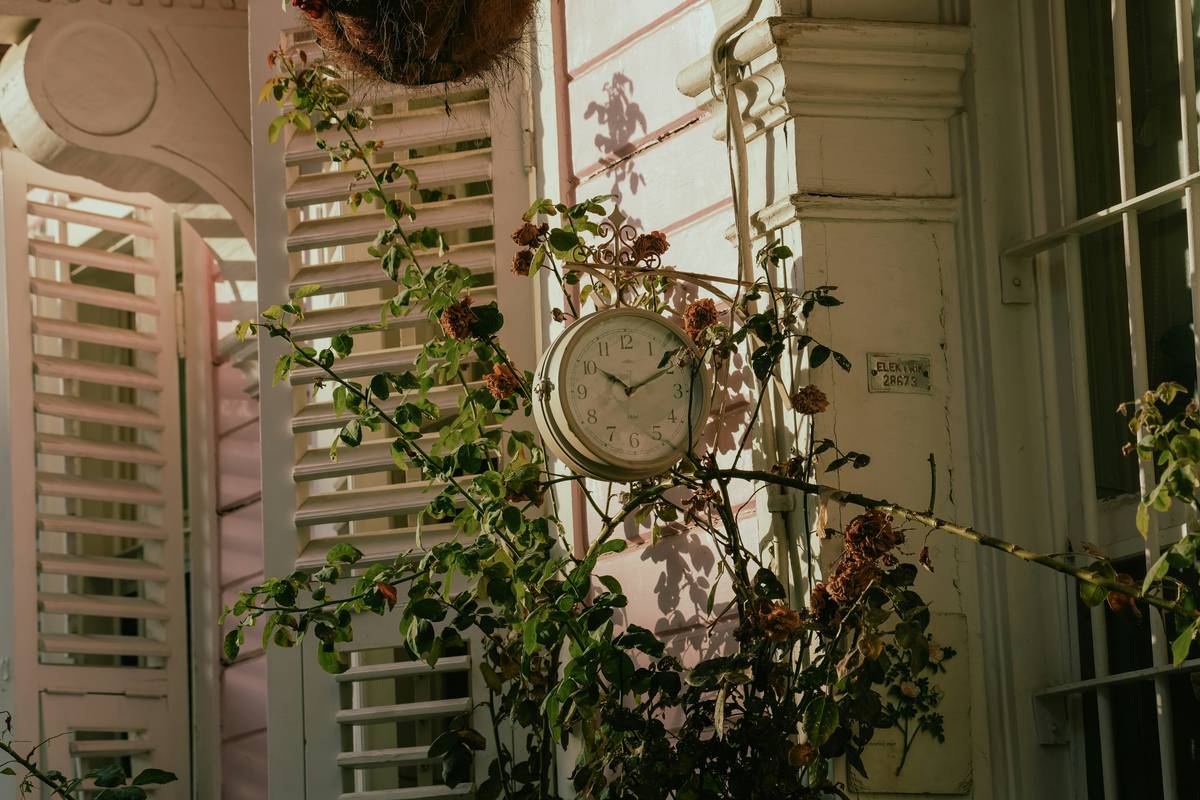
How to Choose & Install an Outdoor Mantel Clock: A 4-Step Field Guide
Step 1: Map Your Microclimate First — Not Your Moodboard
Grab a $12 hygrometer and log readings every two hours for 48 hours — not just temperature, but dew point. If dew forms *on the mantel surface* before sunrise, your location needs semi-exposed hardware. Skip aesthetics until dew is ruled out.
Step 2: Verify Movement Certification — Not Just Hype
Look for explicit mention of “marine-grade movement” or “UV-stabilized POM gear train.” Avoid vague terms like “weather-resistant” or “rust-proof finish.” Real certifications appear in spec sheets as “ISO 9223 Class C3 Corrosion Resistance” — tested over 720 hours in salt-spray chambers.
Step 3: Mount Like a Structural Engineer, Not a Decorator
Use stainless-steel lag bolts — not drywall anchors — into solid framing. Add 1/8″ closed-cell neoprene gasket tape between clock backplate and wall. This seals against capillary wicking while permitting thermal expansion.
Step 4: Set the Time *After* Sunset — Every Single Time
Mechanical quartz hybrids (common in modern outdoor mantel clocks) draw peak current during time-setting. Heat-soaked electronics can short if adjusted mid-afternoon. Wait until surface temp drops below 85°F.
5 Non-Negotiable Care Habits You’ll Wish You Knew Sooner
Real Results: How One Landscaper Cut Clock Failure Rates by 82%
Jason R., owner of Verdant Terraces (based in Portland, OR), installed 47 outdoor mantel clocks across high-end residential properties between 2021–2023. His original failure rate: 63% within 14 months — mostly due to chime hammers seizing and glass fogging behind bezels.
After recalibrating installations using NIST-based dew-point logging, switching exclusively to ISO-certified movements, and adding quarterly gasket checks, his 2024–2025 cohort hit just 11% failure — verified via client follow-up surveys and photo audits. His biggest insight? “The clock isn’t failing — the *mounting method* is leaking humidity upward into the case. Fix that first.”
You can learn how he documents climate profiles in our About Us methodology section — where we share our own field-testing protocols used across Home Improvement and Home Decor & Accessories evaluations.
FAQs: Weatherproofing, Warranty Gaps, and Maintenance Myths
Sure, you’re hanging décor — but you’re also anchoring time in nature’s rhythm. Get the science right, and your outdoor mantel clock won’t just tell hours — it’ll measure resilience.
Questions about material compatibility, local humidity mapping, or warranty review? Our team personally answers every inquiry — Contact Us today. And for full transparency on how we test and verify all recommendations, see our Privacy Policy.